
Optimizing Data Center HVAC Systems: Flow and Thermal Analysis with TensorHVAC-Pro
CASE-STUDIES
10/24/20251 min read
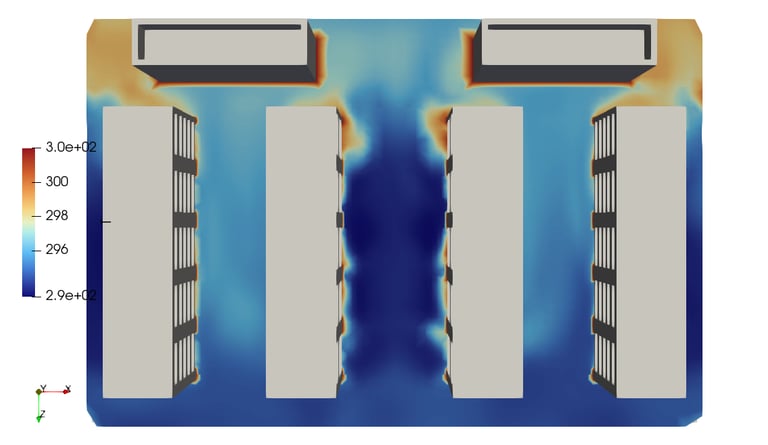
Introduction to Data Center HVAC Systems
In the modern digital landscape, data centers serve as the backbone of countless online services and applications. The efficiency of a data center heavily relies on its HVAC (Heating, Ventilation, and Air Conditioning) system, which maintains optimal temperature and airflow to ensure reliable operations. As enterprises increasingly recognize the significance of thermal management, the need for advanced software solutions to analyze and optimize HVAC design is paramount.
Understanding Flow and Thermal Analysis
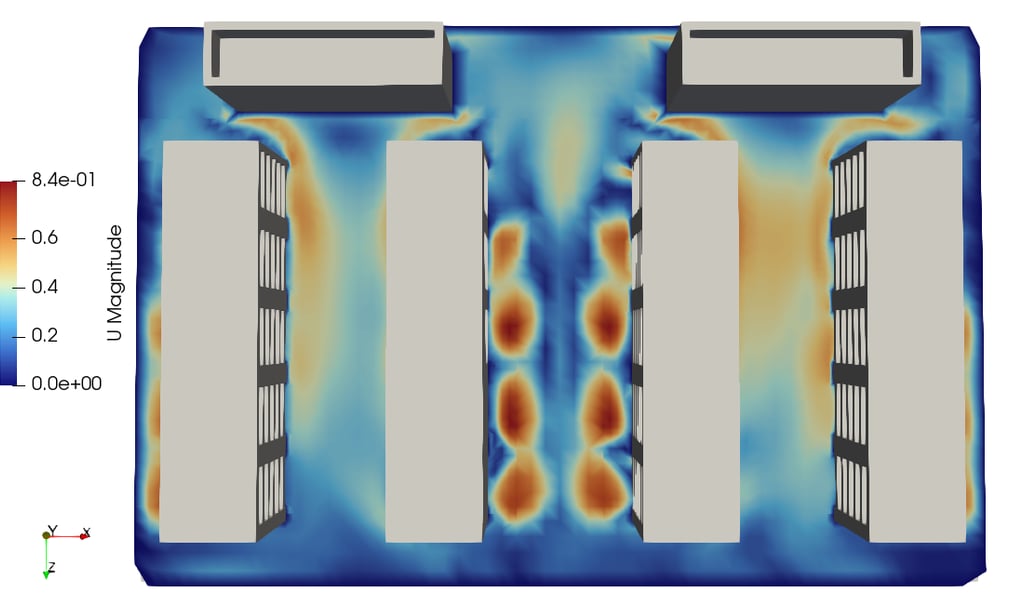
Flow and thermal analysis involves evaluating the distribution of air and temperature across the various sections of a data center. Properly informed design choices can prevent hotspots, enhance energy efficiency, and prolong the lifespan of critical equipment. With advanced Computational Fluid Dynamics (CFD) software like TensorHVAC-Pro, professionals can predict the behavior of airflow and temperature distributions. Designed with ease of use and best practices in mind, TensorHVAC-Pro allows engineers to tackle these analyses effectively
Benefits of Using TensorHVAC-Pro for HVAC Optimization
TensorHVAC-Pro stands out as a premier tool for optimizing the flow and temperature distribution in HVAC systems. Its intuitive interface simplifies complex simulations, enabling engineers to focus on critical design parameters rather than grappling with intricate software functionalities. By using CFD-based analytics, users can visualize airflow patterns, evaluate the impact of layout changes, and implement strategies that enhance cooling efficiency. Moreover, the best practice guidelines embedded within the software facilitate informed decision-making, ultimately leading to improved data center performance and reduced operational costs.
In summary, the application of flow and thermal analysis using a user-friendly platform like TensorHVAC-Pro significantly contributes to the optimization of data center HVAC systems. As organizations strive for greater energy efficiency and reliability, investing in advanced simulation tools becomes vital. By leveraging CFD-based software, you can ensure that your data center not only meets current demands but is also prepared for future growth and challenges.
Other case studies