
Design an Energy Efficient Building
Blog post description.
ARTICLES
Wiratama
10/26/20253 min read
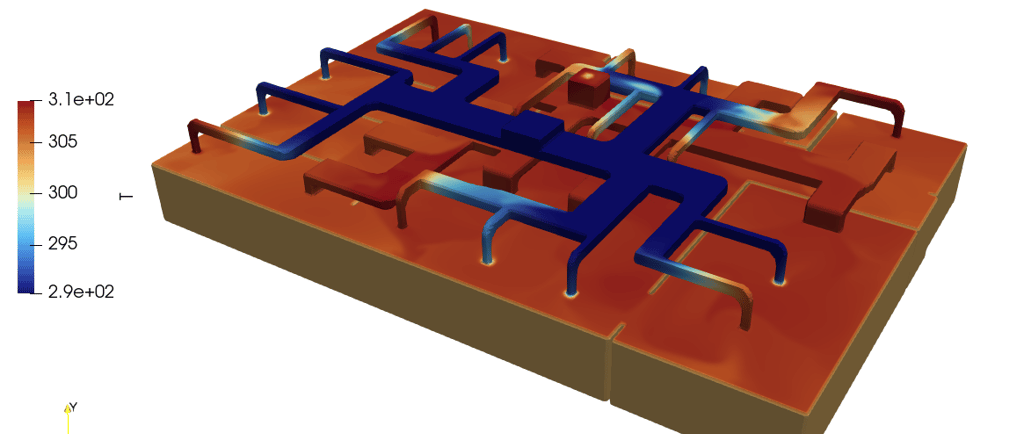
Designing an energy-efficient building is no longer just about selecting better equipment—it’s about integrating the building envelope, HVAC systems, controls, and occupant behavior from the earliest stages. When the HVAC (Heating, Ventilation & Air-Conditioning) system is designed in synergy with the building’s architecture, orientation, lighting, envelope performance and operational strategy, much greater energy savings and comfort can be achieved than if each element is specified in isolation.
Key Principles of Energy Efficient HVAC Design
Start with a high-performance building envelope
A well-insulated, airtight envelope with optimized fenestration and shading reduces heating and cooling loads dramatically. Less load means smaller HVAC equipment, lower fan and pump power, fewer losses, and better control.Right‐size HVAC systems based on accurate load analysis
Oversized systems tend to run inefficiently, cycle frequently, and have higher fan/pump energy losses. Use detailed load calculations and energy modelling to size equipment exactly for the building’s needs. Use standards such as ASHRAE Standard 90.1 for performance benchmarks.Utilize high‐efficiency equipment and components
Choose compressors, fans, pumps, and heat exchangers with high efficiency ratings. Use variable speed drives, high-efficiency motors, and premium controls. Select air‐handling units with energy recovery, appropriate sensible/latent capacity, and low internal losses.Optimize ventilation and air distribution
Ensure ventilation rates meet occupant needs, but avoid over-ventilation. Use demand-controlled ventilation, heat recovery from exhaust air, and proper duct/fan design to minimize losses. Good airflow design also improves comfort and indoor air quality.Implement smart controls and building automation
Modern HVAC buildings benefit from controls that adjust settings based on occupancy, time of day, outdoor conditions, and internal loads. Fault detection, monitoring and commissioning keep systems operating at peak efficiency over lifetime.Integrate renewable and passive strategies
Incorporate strategies like passive solar design, shading, natural ventilation, thermal mass, and on-site renewable systems (solar thermal, photovoltaics) to reduce HVAC load and rely less on active conditioning.
Design Process & Workflow
Pre-design / Concept Stage: Set performance targets (e.g., % reduction below standard code, annual Energy Use Intensity (EUI) goal), choose orientation, glazing ratio, envelope systems, and preliminary HVAC concept.
Schematic Design: Perform energy modelling and load analysis, compare system options (e.g., variable refrigerant flow, chilled beam, displacement ventilation), evaluate envelope vs HVAC cost trade-offs.
Design Development: Specify equipment, layout ducts/pipes, select controls, define zoning, refine system integration (air-to-air heat recovery, dedicated outdoor air system (DOAS), variable flow pumps/fans).
Construction Documentation: Produce detailed drawings, performance specifications, commissioning plan.
Commissioning & Operation: After construction, verify system performance, calibrate controls, monitor energy use, detect and correct faults to maintain efficiency over time.
Case Study Example
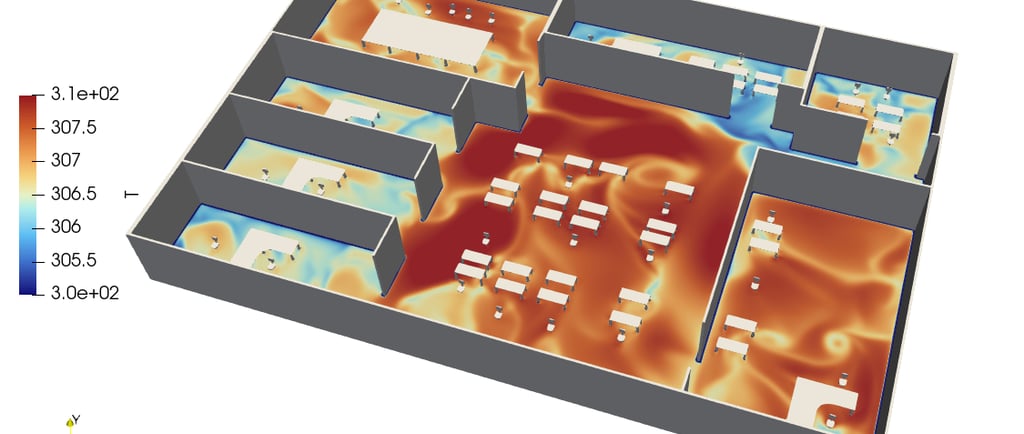
Consider a mid-rise office building in a tropical climate. The design team targets 30% less energy use than the local code. They choose: a high-insulation envelope, low glazing ratio with sun-shading, DOAS with heat recovery, variable speed chilled-water system, and ceiling displacement ventilation. Energy modelling shows reduced HVAC load by 40% compared to conventional design. With right‐sized equipment and good controls, projected fan energy is cut by 25%. The building uses a focus on envelope and system integration rather than just adding large capacity equipment.
Challenges & Best Practice Tips
Avoid oversizing: Many projects default to oversized equipment for safety margin. Resist this—size based on actual loads.
Ensure commissioning and verification: Without proper commissioning, even well-designed systems underperform.
Maintain controls and systems: Efficiency “drifts” if controls are mis-set, sensors uncalibrated, or systems degrade.
Balance first cost vs life-cycle cost: Some high efficiency strategies cost more upfront but pay back through lower operational costs.
Local climate matters: In hot/humid climates, latent load management is key; in cold climates, envelope and airtightness matter most.
Human comfort & IAQ: Energy efficient buildings must also ensure comfort and indoor air quality—no point saving energy if occupants are uncomfortable or unhealthy.
Benefits of an Energy Efficient HVAC Building
Lower operating costs due to reduced heating, cooling, fan, pump and ventilation energy.
Smaller equipment, less space required for mechanical plant, potentially lower capital cost overall.
Better indoor comfort and air quality, leading to higher occupant satisfaction and productivity.
Lower carbon emissions, supporting sustainability goals and certifications like LEED and Passive House.
Future-proofing: As energy codes tighten and utilities cost more, high-performing buildings remain competitive.
To design an energy efficient HVAC system, one mandatory tool is CFD simulation. tensorHVAC-Pro, is a dedicated flow and thermal HVAC simulation software designed for easy to use and intuitive without need a CFD expert. Learn more..
Read more articles..