
Optimizing Office Building Comfort: The Role of Thermal Design Simulation Software
CASE-STUDIES
Wiratama
10/22/20252 min read
Understanding the Importance of Flow and Thermal Design
In the realm of architecture and building engineering, particularly for office environments, flow and thermal design are paramount factors that affect both energy efficiency and occupant comfort. The intricate interplay between air velocity, temperature, and overall comfort parameters dictates how an office space functions. Given the diversity of human preferences and activities within office buildings, addressing these factors through simulation software offers a significant advantage in design planning.
How Dedicated Simulation Software Works
Dedicated simulation software that specializes in thermal and flow analysis plays a crucial role in today’s design processes. By leveraging advanced computational models, architects and engineers can visually assess the distribution of velocity, temperature, and comfort parameters throughout office buildings. This software enables users to generate detailed simulations that mimic various environmental scenarios, allowing for effective evaluations of thermal comfort and airflow patterns.
Moreover, the ability to visualize such parameters actively assists in identifying potential issues—such as hot or cold spots—before the construction phase begins. Designers can make informed decisions, adjusting layouts or strategies to maximize comfort and minimize energy consumption.
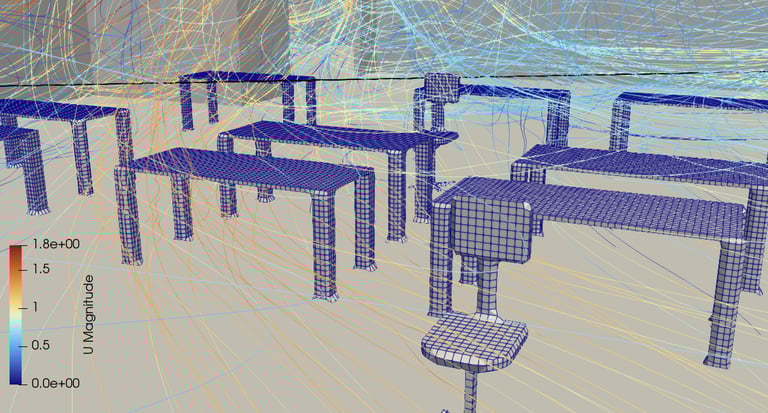
Benefits of Using Thermal Design Simulation in Office Buildings
Utilizing thermal design simulation software creates a multitude of benefits, primarily enhancing occupant satisfaction and operational efficiency. First, it enables the precise analysis of comfort parameters, ensuring that office spaces meet the diverse needs of employees. An environment that maintains optimal temperature and airflow ultimately promotes higher productivity levels and well-being among the workforce.
Additionally, dedicated simulations can measure energy use and efficiency across different design alternatives. This capability not only aids in meeting sustainability goals and regulatory compliance but also results in cost savings in the long run. By optimizing the flow of air and managing thermal load efficiently, businesses can significantly reduce their utility expenses.
Ultimately, the integration of advanced simulation tools in the design phase facilitates a proactive approach to environmental control, allowing architects to create spaces that are not only functional but also conducive to the comfort of their occupants.
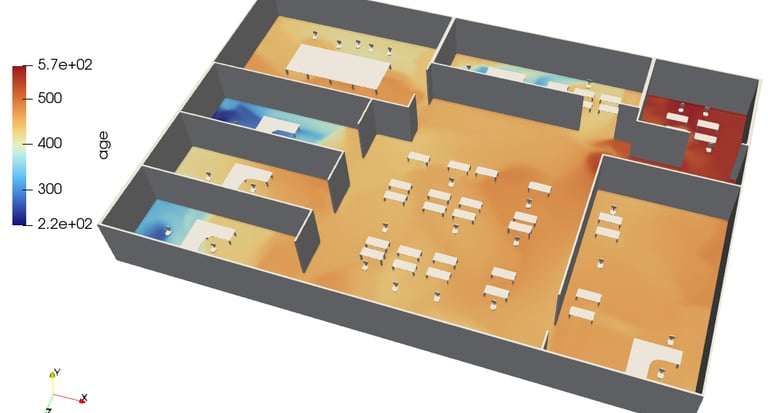
tensorHVAC-Pro is a dedicated flow and thermal HVAC simulation software, intuitive and easy to use, designed for HVAC engineers - not CFD expert
Read other case studies..